Personalized Introduction
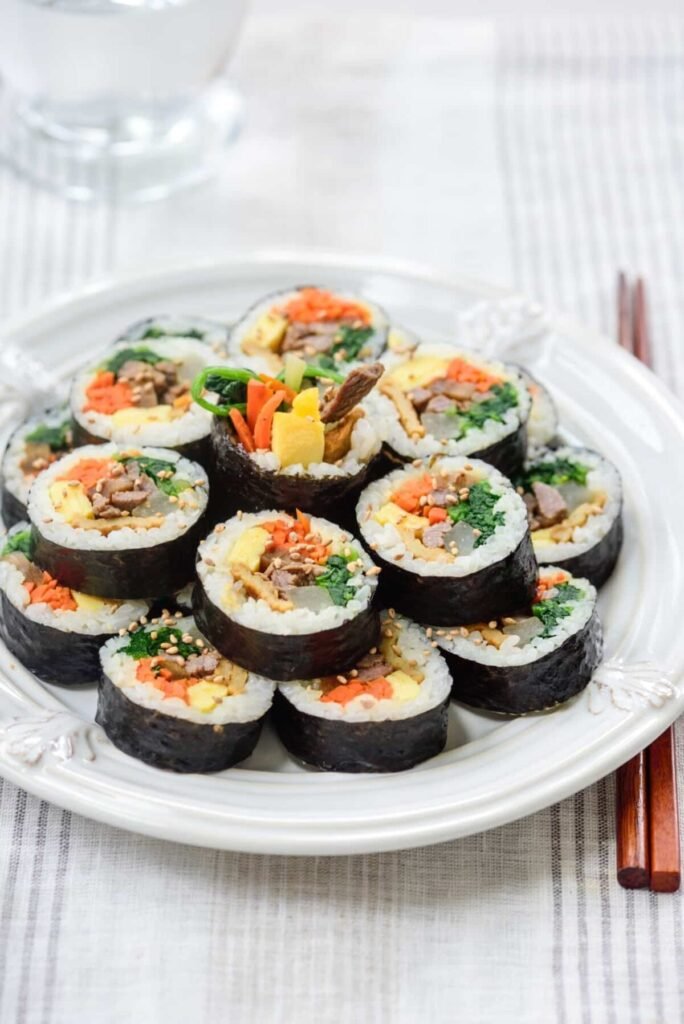
Whenever I’m looking for a meal that’s colorful, fun to make, and perfect for sharing, Shrimp Kimbap is always at the top of my list. Every roll is packed with fluffy seasoned rice, juicy shrimp, crisp vegetables, and savory flavors wrapped inside a sheet of roasted seaweed. It’s one of those recipes that feels special enough for a picnic or lunch party but is surprisingly easy to prepare at home.
The first time I made Shrimp Kimbap, I was a little nervous about rolling it neatly. I thought it would take years of practice to make beautiful rolls like the ones I had seen at Korean markets. But after a few tries, I realized it was much easier than I expected. Once I sliced the first roll and saw the colorful filling inside, I couldn’t wait to make another batch.
One of my favorite things about this recipe is how customizable it is. You can fill each roll with your favorite vegetables, adjust the seasoning, or even make several different varieties at the same time. Whether you’re packing lunch, preparing a light dinner, or bringing food to a gathering, Shrimp Kimbap always feels fresh, satisfying, and homemade with love.
Recipe Origin & Story
Kimbap (also spelled Gimbap) is one of Korea’s most beloved comfort foods. It consists of cooked rice seasoned with sesame oil and salt, rolled with a variety of fillings inside roasted seaweed sheets called gim. Unlike sushi, which is traditionally seasoned with rice vinegar, kimbap is flavored with sesame oil, giving it its own unique taste.
Traditionally, kimbap is enjoyed during picnics, school lunches, road trips, hiking adventures, and family outings because it’s portable, easy to eat, and stays delicious at room temperature for several hours. Over the years, countless variations have emerged, including beef, tuna, vegetables, cheese, and seafood versions like this Shrimp Kimbap.
For me, making kimbap has become more than just preparing food. Rolling each piece feels relaxing, and slicing the finished rolls to reveal the colorful filling always brings a smile. It’s a meal that’s just as enjoyable to prepare as it is to eat.
Ingredient Spotlight
- Main Star: Shrimp brings sweet, tender seafood flavor while keeping the rolls light and satisfying.
- Secret Boost: A drizzle of toasted sesame oil and a sprinkle of toasted sesame seeds add authentic Korean flavor and a delicious nutty aroma.
- Quality Tips: Choose medium or large shrimp that are peeled and deveined, use freshly cooked short-grain rice, and purchase high-quality roasted seaweed sheets made specifically for kimbap.
Nutritional Benefits
Shrimp is naturally high in lean protein while being relatively low in fat, making it a satisfying ingredient that doesn’t feel heavy. It’s also a good source of selenium, vitamin B12, and iodine, which play important roles in supporting overall health.
The colorful vegetables like carrots, cucumber, and spinach provide vitamins, fiber, and antioxidants that add freshness and nutrition to every bite. Seaweed contributes minerals such as iodine, while sesame seeds provide healthy fats and additional flavor.
Since you control the ingredients at home, it’s easy to include extra vegetables or reduce the amount of rice to suit your personal preferences.
Adaptable Variations
- Dietary Swaps: Use brown rice for extra fiber, cauliflower rice for a lower-carb option, gluten-free soy sauce if needed, or tofu instead of shrimp for a vegetarian version.
- Flavor Twists: Add avocado, cream cheese, spicy mayo, kimchi, pickled radish, imitation crab, mango, or sliced jalapeños for exciting flavor combinations.
- Seasonal Spins: Spring is perfect for asparagus, summer welcomes fresh cucumber and herbs, autumn pairs beautifully with roasted sweet potato, and winter versions can include sautéed mushrooms.
Cooking Science Explained
Making beautiful kimbap becomes much easier once you understand a few simple techniques.
Why use warm rice? Slightly warm rice spreads more easily across the seaweed without tearing it, creating an even layer.
Why season the rice? Sesame oil and salt don’t just add flavor—they also help keep the rice moist and aromatic.
Why roll firmly? Gentle but firm pressure keeps all the fillings together so the slices stay neat without falling apart.
Easy, Step-by-Step Recipe
Ingredients
- 2 cups cooked short-grain sushi rice
- 1 tablespoon toasted sesame oil
- ½ teaspoon salt
- 8 roasted seaweed sheets (gim or nori)
- 1 pound (450g) medium shrimp, peeled and deveined
- 1 tablespoon vegetable oil
- 1 teaspoon garlic powder
- ½ teaspoon black pepper
- 1 teaspoon soy sauce
- 1 large carrot, cut into thin strips
- 1 cucumber, cut into thin strips
- 2 cups fresh spinach, lightly blanched and squeezed dry
- 4 pickled radish strips (danmuji), cut into long pieces
- 1 tablespoon toasted sesame seeds
- Extra sesame oil for brushing the finished rolls
Instructions
- Cook the rice according to package directions and allow it to cool slightly.
- Mix the warm rice with the sesame oil and salt until evenly seasoned.
- Heat the vegetable oil in a skillet over medium heat.
- Season the shrimp with garlic powder, black pepper, and soy sauce.
- Cook the shrimp for 2–3 minutes per side until pink and fully cooked. Allow them to cool slightly.
- Place one sheet of roasted seaweed shiny-side down on a bamboo rolling mat.
- Spread about ¾ cup of seasoned rice evenly over the seaweed, leaving about one inch uncovered at the top.
- Arrange shrimp, carrots, cucumber, spinach, and pickled radish across the center.
- Carefully roll the kimbap tightly, using the bamboo mat to help shape it.
- Brush the finished roll lightly with sesame oil and sprinkle with sesame seeds.
- Repeat with the remaining ingredients.
- Using a sharp knife lightly coated with sesame oil, slice each roll into bite-sized pieces and serve.
Practical & Valuable Tips
- Storage: Enjoy the kimbap the same day for the freshest texture. Refrigerate leftovers in an airtight container for up to 24 hours.
- Serving Ideas: Pair with miso soup, kimchi, cucumber salad, edamame, or fresh fruit for a complete meal.
- Substitutions: Crab sticks, grilled salmon, cooked tuna, rotisserie chicken, or cooked tofu all make excellent alternatives to shrimp.
Make-Ahead & Batch-Cooking
You can prepare all the fillings several hours ahead and keep them refrigerated until you’re ready to assemble the rolls. The rice is best prepared shortly before rolling, as freshly cooked rice creates the nicest texture.
If you’re making kimbap for lunches or picnics, wrap each finished roll tightly in plastic wrap before slicing. This helps keep the rice moist and the rolls intact until serving time.
Eco-Friendly Kitchen Hacks
- Use leftover cooked rice instead of preparing a fresh batch.
- Buy shrimp that has been responsibly sourced whenever possible.
- Store vegetables in reusable produce bags.
- Use leftover vegetables in fried rice or soups the next day.
- Compost vegetable peels and herb scraps whenever possible.
Pairing Suggestions
- Beverages: Green tea, barley tea, sparkling water with citrus, iced tea, or a light sparkling lemonade pair beautifully with Shrimp Kimbap.
- Sides & Sauces: Kimchi, miso soup, spicy mayo, soy sauce, pickled vegetables, cucumber salad, or steamed edamame complement these fresh rolls perfectly.
Frequently Asked Questions
- Can I use frozen shrimp?
Yes! Simply thaw the shrimp completely and pat them dry before cooking. - Why is my kimbap falling apart?
Try rolling it a little tighter and avoid overfilling the seaweed sheet. - Can I make Shrimp Kimbap ahead of time?
Yes. It’s best enjoyed within a few hours but can be refrigerated for up to one day. - Do I need a bamboo rolling mat?
A bamboo mat makes rolling easier, but you can also use a clean kitchen towel wrapped in plastic wrap if necessary.
Call to Action
I hope this Shrimp Kimbap becomes one of your favorite homemade meals. It’s colorful, fresh, packed with delicious ingredients, and surprisingly easy once you make your first roll. Whether you’re preparing lunch boxes, planning a picnic, or trying Korean-inspired cooking for the first time, this recipe is sure to impress.
If you make this recipe, I’d love to hear how you customized it! Did you add avocado, spicy mayo, extra vegetables, or another favorite filling? Leave a comment below, share your rolling tips, and don’t forget to post a photo on social media. Your homemade creations inspire fellow food lovers everywhere!
Bonus: Your Kitchen Notes
Every kimbap roll tells a little story, and no two home cooks make it exactly the same. Use this section in your WordPress editor to record your favorite filling combinations, rolling techniques, dipping sauces, or seasoning adjustments. Maybe your family loved adding cream cheese, extra shrimp, or spicy kimchi. These personal notes will help you recreate your perfect Shrimp Kimbap every time while giving your readers plenty of inspiration to create their own signature rolls.