<h2 style="color: #d33;">Personalized Introduction</h2>
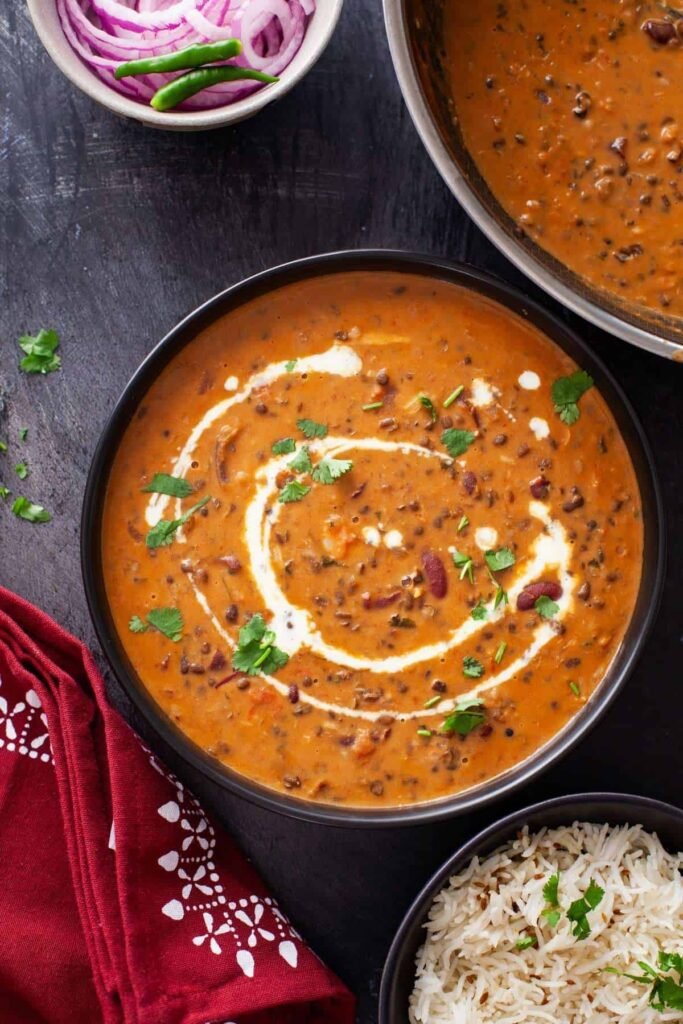
<p>There’s something incredibly comforting about a warm bowl of Dal Makhani. With its velvety texture, buttery richness, and aromatic blend of Indian spices, this classic North Indian dish is pure comfort in every bite. Whether paired with fluffy basmati rice, buttery naan, or warm roti, Dal Makhani transforms simple ingredients into a meal that feels both hearty and luxurious.</p>
<p>I first learned to make Dal Makhani after tasting it at a traditional Indian restaurant. I was amazed by how creamy and flavorful a lentil dish could be. After experimenting in my own kitchen, I discovered that patience is the secret ingredient. Slowly simmering the lentils allows all the flavors to blend together into a rich, silky curry that's even better than takeout.</p>
<p>Today, this recipe is one of my favorite comfort meals. It's perfect for family dinners, meal prep, festive occasions, or whenever I want something nourishing and deeply satisfying. Every spoonful is packed with smoky spices, buttery goodness, and authentic Indian flavors.</p>
<p>If you've been looking for a restaurant-style Dal Makhani recipe that's easy to make at home, this version will quickly become a favorite.</p>
<h2 style="color: #d33;">Recipe Origin & Story</h2>
<p>Dal Makhani originated in the Punjab region of India and Pakistan, where black lentils (whole urad dal) were traditionally slow-cooked overnight over wood fires. The word "Makhani" means "buttery," referring to the generous amount of butter and cream that give this dish its luxurious texture.</p>
<p>The recipe gained worldwide popularity thanks to Punjabi restaurants, where it became one of the most beloved vegetarian dishes. Although the traditional version simmers for many hours, modern pressure cookers and Instant Pots make it much easier to recreate authentic flavors at home.</p>
<p>Today, Dal Makhani remains a centerpiece of Indian celebrations, weddings, family gatherings, and comforting everyday meals.</p>
<h2 style="color: #d33;">Ingredient Spotlight</h2>
<ul>
<li><strong>Main Star:</strong> Whole black urad dal (black gram) creates the creamy texture and signature earthy flavor that defines authentic Dal Makhani.</li>
<li><strong>Secret Boost:</strong> Butter, fresh cream, and kasuri methi (dried fenugreek leaves) give the curry its rich restaurant-style finish.</li>
<li><strong>Quality Tips:</strong> Use fresh tomatoes, ginger, garlic, good-quality butter, fresh cream, and whole spices for the deepest flavor.</li>
</ul>
<h2 style="color: #d33;">Nutritional Benefits</h2>
<p>Dal Makhani is packed with plant-based protein, dietary fiber, iron, magnesium, potassium, and essential minerals from black lentils and kidney beans. These legumes help keep you full longer while supporting healthy digestion.</p>
<p>Tomatoes provide vitamin C and antioxidants like lycopene, while garlic and ginger contain natural anti-inflammatory compounds. Although butter and cream add richness, they can easily be adjusted to suit your dietary preferences.</p>
<p>Served with rice or whole wheat roti, Dal Makhani becomes a wholesome, balanced meal enjoyed by millions around the world.</p>
<h2 style="color: #d33;">Adaptable Variations</h2>
<ul>
<li><strong>Dietary Swaps:</strong> Replace cream with coconut cream or cashew cream for a dairy-free version. Use vegan butter if preferred.</li>
<li><strong>Flavor Twists:</strong> Add smoked paprika, charcoal smoking (dhungar method), green chilies, or extra garam masala for deeper flavor.</li>
<li><strong>Seasonal Spins:</strong> Garnish with fresh coriander during summer or serve with homemade butter during winter for extra richness.</li>
</ul>
<h2 style="color: #d33;">Cooking Science Explained</h2>
<p><strong>Why soak the lentils overnight?</strong> Soaking softens the legumes, shortens cooking time, and improves their creamy texture.</p>
<p><strong>Why simmer slowly?</strong> Long, gentle cooking allows the lentils to naturally break down, creating the thick, velvety consistency Dal Makhani is famous for.</p>
<p><strong>Why add cream at the end?</strong> Adding cream near the end prevents curdling while preserving its silky texture.</p>
<h2 style="color: #d33;">Easy, Step-by-Step Recipe</h2>
<h3 style="color: #d33;">Ingredients</h3>
<h4>For the Dal</h4>
<ul>
<li>1 cup whole black urad dal (black gram)</li>
<li>¼ cup kidney beans (rajma)</li>
<li>4 cups water</li>
<li>1 teaspoon salt</li>
</ul>
<h4>For the Masala</h4>
<ul>
<li>2 tablespoons butter</li>
<li>1 tablespoon oil</li>
<li>1 large onion, finely chopped</li>
<li>2 teaspoons ginger, grated</li>
<li>4 garlic cloves, minced</li>
<li>2 large tomatoes, pureed</li>
<li>1 teaspoon cumin seeds</li>
<li>1 teaspoon red chili powder</li>
<li>1 teaspoon coriander powder</li>
<li>½ teaspoon turmeric</li>
<li>1 teaspoon garam masala</li>
<li>1 teaspoon kasuri methi (crushed)</li>
<li>½ cup heavy cream</li>
<li>2 tablespoons butter (for finishing)</li>
<li>Fresh cilantro for garnish</li>
</ul>
<h3 style="color: #d33;">Instructions</h3>
<ol>
<li>Wash the urad dal and kidney beans thoroughly.</li>
<li>Soak them together overnight or for at least 8 hours.</li>
<li>Drain and transfer them to a pressure cooker with fresh water and salt.</li>
<li>Pressure cook for 25–30 minutes until very tender.</li>
<li>Heat butter and oil in a large pot.</li>
<li>Add cumin seeds and cook until fragrant.</li>
<li>Sauté the onions until golden brown.</li>
<li>Add the ginger and garlic and cook for another minute.</li>
<li>Stir in the tomato puree and cook until the oil begins separating.</li>
<li>Add the chili powder, coriander powder, turmeric, and garam masala.</li>
<li>Mix well and cook for 2–3 minutes.</li>
<li>Add the cooked lentils and kidney beans along with their cooking liquid.</li>
<li>Simmer gently for 30–40 minutes, stirring occasionally.</li>
<li>Add butter, crushed kasuri methi, and heavy cream.</li>
<li>Continue simmering for another 10 minutes.</li>
<li>Taste and adjust the seasoning if needed.</li>
<li>Garnish with fresh cilantro and an extra drizzle of cream before serving.</li>
</ol>
<h2 style="color: #d33;">Practical & Valuable Tips</h2>
<ul>
<li><strong>Storage:</strong> Refrigerate in an airtight container for up to 5 days.</li>
<li><strong>Serving Ideas:</strong> Serve with basmati rice, jeera rice, garlic naan, butter naan, tandoori roti, or paratha.</li>
<li><strong>Substitutions:</strong> An Instant Pot works wonderfully for reducing cooking time while maintaining authentic flavor.</li>
</ul>
<h2 style="color: #d33;">Make-Ahead & Batch-Cooking</h2>
<p>Dal Makhani actually tastes even better the next day as the spices continue to develop. Make a large batch over the weekend and enjoy flavorful meals throughout the week.</p>
<p>It also freezes exceptionally well for up to three months. Simply thaw overnight in the refrigerator and gently reheat with a splash of water or cream.</p>
<p>Many Indian cooks intentionally prepare Dal Makhani a day in advance because its flavor becomes richer after resting.</p>
<h2 style="color: #d33;">Eco-Friendly Kitchen Hacks</h2>
<ul>
<li>Cook extra lentils for future soups and curries.</li>
<li>Store leftovers in reusable glass containers.</li>
<li>Compost onion skins and vegetable scraps.</li>
<li>Buy dried lentils in bulk to reduce packaging waste.</li>
<li>Freeze extra portions for quick weeknight dinners.</li>
</ul>
<h2 style="color: #d33;">Pairing Suggestions</h2>
<ul>
<li><strong>Beverages:</strong> Mango lassi, salted lassi, masala chai, sparkling water, or fresh lime soda pair beautifully with Dal Makhani.</li>
<li><strong>Side Dishes:</strong> Garlic naan, butter naan, jeera rice, cucumber raita, onion salad, papad, pickle, or vegetable pulao complete the meal.</li>
</ul>
<h2 style="color: #d33;">Frequently Asked Questions</h2>
<ol>
<li><strong>Can I make Dal Makhani without cream?</strong><br>
Yes. Use milk, cashew cream, coconut cream, or simply omit it for a lighter version.</li>
<li><strong>Why does restaurant Dal Makhani taste richer?</strong><br>
Restaurants usually simmer it longer and finish it with generous amounts of butter and cream.</li>
<li><strong>Can I cook it without a pressure cooker?</strong><br>
Absolutely. Simmer soaked lentils on the stovetop for about 2½–3 hours until very soft.</li>
<li><strong>Can I freeze Dal Makhani?</strong><br>
Yes! It freezes beautifully for up to three months.</li>
</ol>
<h2 style="color: #d33;">Call to Action</h2>
<p>I hope this authentic Dal Makhani recipe brings the comforting flavors of North Indian cuisine into your kitchen. Rich, creamy, buttery, and packed with aromatic spices, it's a dish that's perfect for family dinners, celebrations, or cozy evenings at home. Once you taste this homemade version, you'll understand why it's one of India's most beloved recipes.</p>
<p>If you try this recipe, I'd love to hear how it turned out! Did you use the traditional slow-simmering method or make it in the Instant Pot? Leave a comment below, share your delicious creation on social media, and tell us what you served alongside it. Your experience may inspire another home cook to make this comforting classic.</p>
<h2 style="color: #d33;">Bonus: Your Kitchen Notes</h2>
<p>Every cook eventually develops their own perfect Dal Makhani. Use this section in your WordPress editor to record your favorite spice adjustments, simmering times, cream alternatives, or serving combinations. Maybe a smoky charcoal finish became your signature touch, or perhaps extra butter created your family's favorite version. These personal notes will help you recreate your perfect Dal Makhani every time while inspiring your readers to make it their own.</p>
Dal Makhani Recipe – Authentic Creamy Punjabi Black Lentils
Posted on