<h2 style=”color: #d33;”>Personalized Introduction</h2>
<p>Have you ever made a homemade pizza that looked amazing on top but turned out a little soft underneath? I’ve definitely been there! After plenty of experimenting, I finally discovered the little tricks that create the crispy, golden pizza crust I had been dreaming about. Now, every pizza night feels like bringing my favorite pizzeria right into my own kitchen.</p>
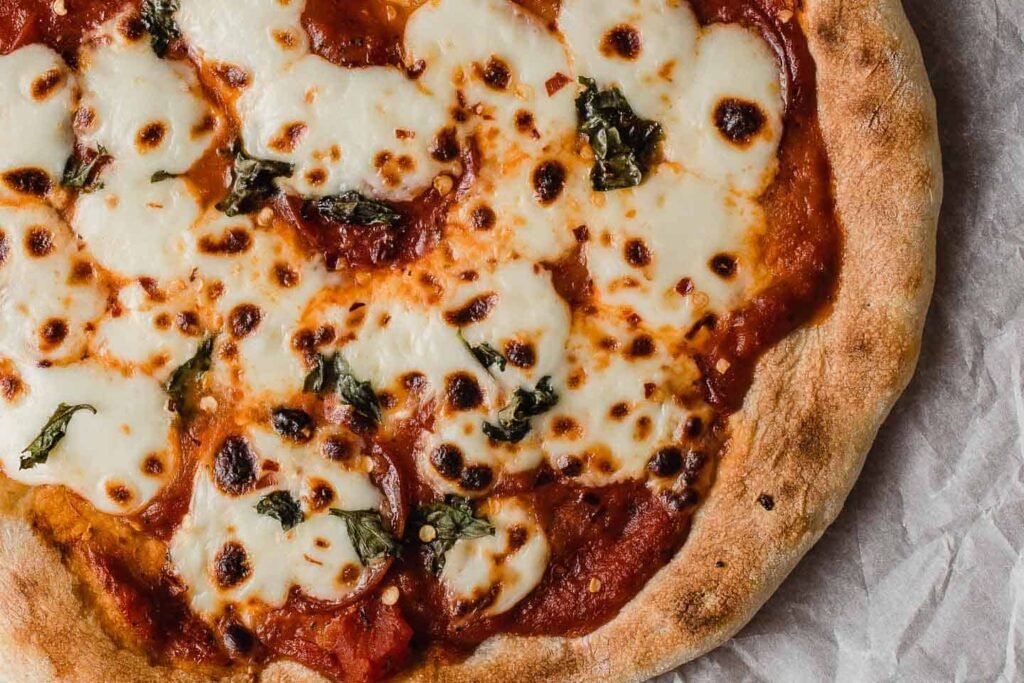
<p>There’s something incredibly satisfying about hearing that first crunchy bite into a perfectly baked pizza. The crust is crisp on the bottom, chewy around the edges, and sturdy enough to hold plenty of melted cheese and delicious toppings. Best of all, you don’t need a professional pizza oven to make it happen.</p>
<p>If you’ve been searching for the secret to crispy-bottom pizza, you’re in the right place. Let me show you exactly how I make it every time.</p>
<h2 style=”color: #d33;”>Recipe Origin & Story</h2>
<p>Pizza has been enjoyed for centuries, but the famous crispy crust we love today traces its roots to traditional Italian baking. Classic Neapolitan pizza is known for its soft center and airy crust, while many American-style pizzas are celebrated for their crispier bases and golden edges.</p>
<p>Professional pizzerias achieve that signature texture using extremely hot stone ovens that often exceed 800°F (425°C). While most home ovens can’t reach those temperatures, a few smart techniques can deliver surprisingly similar results.</p>
<p>Over time, I learned that achieving a crispy bottom isn’t about using fancy equipment—it’s about understanding the dough, managing moisture, and baking with the right tools. Once you know these simple tricks, homemade pizza becomes even more rewarding.</p>
<h2 style=”color: #d33;”>Ingredient Spotlight</h2>
<ul>
<li><strong>Main Star:</strong> High-protein bread flour creates a stronger dough that develops a chewy interior while crisping beautifully underneath.</li>
<li><strong>Secret Boost:</strong> A light dusting of fine semolina flour or cornmeal beneath the dough adds extra crunch and helps prevent sticking.</li>
<li><strong>Quality Tips:</strong> Use fresh mozzarella with excess moisture removed, quality pizza sauce, and fresh yeast if making homemade dough.</li>
</ul>
<h2 style=”color: #d33;”>Nutritional Benefits</h2>
<p>Homemade pizza allows you to control every ingredient, making it easier to create a balanced meal. Fresh vegetables provide vitamins and fiber, while mozzarella contributes protein and calcium.</p>
<p>Choosing lean meats, plenty of vegetables, and moderate cheese creates a pizza that’s both satisfying and nourishing. Whole wheat pizza dough is another excellent option for increasing fiber.</p>
<p>Making pizza from scratch also reduces preservatives often found in frozen or takeout pizzas.</p>
<h2 style=”color: #d33;”>Adaptable Variations</h2>
<ul>
<li><strong>Dietary Swaps:</strong> Use gluten-free pizza dough for gluten-free pizza, dairy-free mozzarella for vegan versions, or cauliflower crust for a lower-carb alternative.</li>
<li><strong>Flavor Twists:</strong> Top with pepperoni, grilled chicken, mushrooms, roasted garlic, caramelized onions, basil pesto, spicy honey, or burrata after baking.</li>
<li><strong>Seasonal Spins:</strong> Spring welcomes asparagus and peas, summer is perfect for fresh tomatoes and basil, autumn shines with mushrooms, while winter pairs beautifully with roasted garlic and spinach.</li>
</ul>
<h2 style=”color: #d33;”>Cooking Science Explained</h2>
<p>Creating a crispy pizza bottom is easier when you understand what’s happening inside the oven.</p>
<p><strong>Why preheat the baking surface?</strong> A hot pizza stone or steel immediately transfers heat into the dough, quickly forming a crisp crust before excess moisture can soften it.</p>
<p><strong>Why use less sauce?</strong> Too much sauce releases moisture during baking, making the center softer. A thin layer keeps the crust crisp while still providing plenty of flavor.</p>
<p><strong>Why dry fresh mozzarella?</strong> Fresh mozzarella contains a lot of water. Patting it dry with paper towels prevents excess moisture from soaking into the dough.</p>
<h2 style=”color: #d33;”>Easy, Step-by-Step Recipe</h2>
<h3 style=”color: #d33;”>Ingredients</h3>
<ul>
<li>1 pound (450g) pizza dough</li>
<li>½ cup pizza sauce</li>
<li>8 ounces (225g) low-moisture mozzarella cheese, shredded</li>
<li>2 tablespoons grated Parmesan cheese</li>
<li>1 tablespoon olive oil</li>
<li>2 tablespoons semolina flour or cornmeal</li>
<li>Fresh basil leaves</li>
<li>Your favorite pizza toppings (pepperoni, mushrooms, sausage, vegetables, etc.)</li>
</ul>
<h3 style=”color: #d33;”>Instructions</h3>
<ol>
<li>Place a pizza stone or pizza steel inside your oven.</li>
<li>Preheat the oven to its highest setting, ideally 500–550°F (260–290°C), for at least 45 minutes.</li>
<li>Lightly dust a pizza peel or baking sheet with semolina flour or cornmeal.</li>
<li>Stretch the pizza dough into a 12-inch circle without pressing all the air out of the edges.</li>
<li>Brush the outer crust lightly with olive oil.</li>
<li>Spread a thin layer of pizza sauce over the dough.</li>
<li>Add mozzarella evenly, followed by your favorite toppings.</li>
<li>Transfer the pizza onto the hot stone or steel.</li>
<li>Bake for 8–12 minutes until the cheese is bubbling and the crust is deeply golden.</li>
<li>Remove from the oven, garnish with fresh basil and Parmesan, slice, and serve immediately.</li>
</ol>
<h2 style=”color: #d33;”>Practical & Valuable Tips</h2>
<ul>
<li><strong>Storage:</strong> Store leftover pizza in an airtight container for up to four days.</li>
<li><strong>Serving Ideas:</strong> Pair with Caesar salad, garlic knots, roasted vegetables, or tomato soup.</li>
<li><strong>Substitutions:</strong> No pizza stone? Use an upside-down preheated baking sheet or cast-iron skillet for similar results.</li>
</ul>
<h2 style=”color: #d33;”>Make-Ahead & Batch-Cooking</h2>
<p>Homemade pizza dough can be prepared up to three days ahead and refrigerated. In fact, slow fermentation often creates even better flavor and texture.</p>
<p>You can also freeze pizza dough for up to three months. Simply thaw overnight in the refrigerator before using.</p>
<h2 style=”color: #d33;”>Eco-Friendly Kitchen Hacks</h2>
<ul>
<li>Use leftover vegetables as pizza toppings.</li>
<li>Freeze extra dough instead of wasting it.</li>
<li>Store leftover slices in reusable containers.</li>
<li>Buy cheese in blocks and shred it yourself to reduce packaging.</li>
<li>Cook multiple pizzas during one oven session to maximize energy efficiency.</li>
</ul>
<h2 style=”color: #d33;”>Pairing Suggestions</h2>
<ul>
<li><strong>Beverages:</strong> Sparkling water with lemon, iced tea, cola, pale ale, Chianti, or Pinot Noir pair beautifully with homemade pizza.</li>
<li><strong>Sides & Sauces:</strong> Caesar salad, garlic bread, marinara sauce, ranch dressing, pesto, roasted vegetables, or mozzarella sticks make excellent companions.</li>
</ul>
<h2 style=”color: #d33;”>Frequently Asked Questions</h2>
<ol>
<li><strong>Why isn’t my pizza crust crispy?</strong><br>
Usually the oven or baking stone wasn’t hot enough, or the pizza contained too much moisture from sauce or cheese.</li>
<li><strong>Can I make crispy pizza without a pizza stone?</strong><br>
Absolutely! A preheated baking steel, cast-iron skillet, or upside-down baking sheet works very well.</li>
<li><strong>Should I bake pizza on the bottom oven rack?</strong><br>
The lower-middle rack usually provides the best balance of bottom heat and even cooking.</li>
<li><strong>Can I use fresh mozzarella?</strong><br>
Yes! Just slice it ahead of time and pat it dry thoroughly to remove excess moisture.</li>
</ol>
<h2 style=”color: #d33;”>Call to Action</h2>
<p>I hope these simple techniques help you create the crispy-bottom pizza you’ve always wanted. Once you experience that perfectly crunchy crust paired with gooey cheese and your favorite toppings, homemade pizza night will never be the same again.</p>
<p>If you give these tips a try, I’d love to hear how your pizza turned out! Share your favorite toppings, crust tricks, or baking methods in the comments below, and don’t forget to post a photo on social media. Your homemade pizza creations inspire fellow pizza lovers everywhere!</p>
<h2 style=”color: #d33;”>Bonus: Your Kitchen Notes</h2>
<p>Every oven behaves a little differently, making this the perfect place to record your best baking temperatures, favorite dough recipe, topping combinations, or cooking times. Maybe your pizza steel created the crispiest crust, or perhaps a cast-iron pan became your secret weapon. Keeping these notes will help you recreate your perfect crispy-bottom pizza every single time while giving your readers helpful ideas for their own pizza adventures.</p>